Keeping House Plants Healthy – Ag Matters
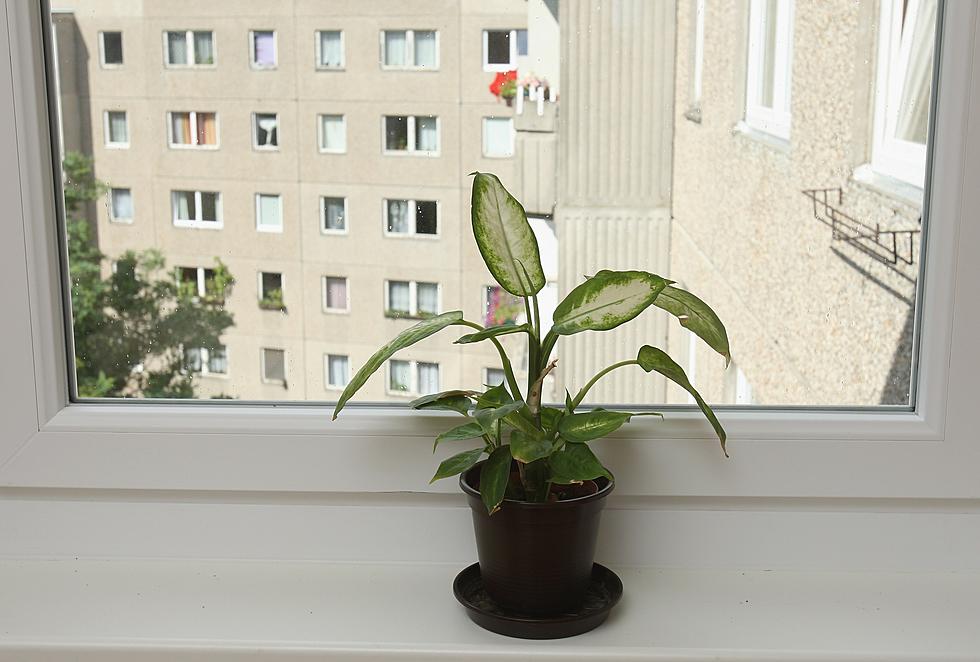
Obviously our house plants can't talk to tell us when something is wrong. But the Master Gardeners at Cornell Cooperative Extension say if you're observant you can easily identify any problems that may be occurring.
Watch for the early stages of an ailment, usually they are subtle: tiny cobwebs, a few fallen leaves, or faded color. No matter the symptom, the symptom is a clue to the ailment; it is not the ailment itself. For instance, a few yellowing leaves, especially if they are older leaves and/or bottom leaves, may reflect nothing more than the natural processes of attrition.
When plants are taken from their native habitats and grown indoors, they are frequently subjected to many adverse conditions; low light, poor ventilation, high temperature, dry air, lack of humidity, limited drainage and air circulation around their roots. Growth is weakened, disease and parasites develop and spread quickly.
When fertilizing, err on the side of too little rather than too much, cut the recommended amounts by one-third to one-half. Slow down on the fertilizing to meet the slower and more controlled indoor growth. Too strong and/or too frequent fertilizing burns plant roots and consequently kills top growth.
For more information and suggestions contact the CCE Horticulture Hot Line at 315-736-3394, Wednesdays and Fridays from 9:00am to 12:00pm.
SOURCE: Cornell Cooperative Extension
More From Big Frog 104